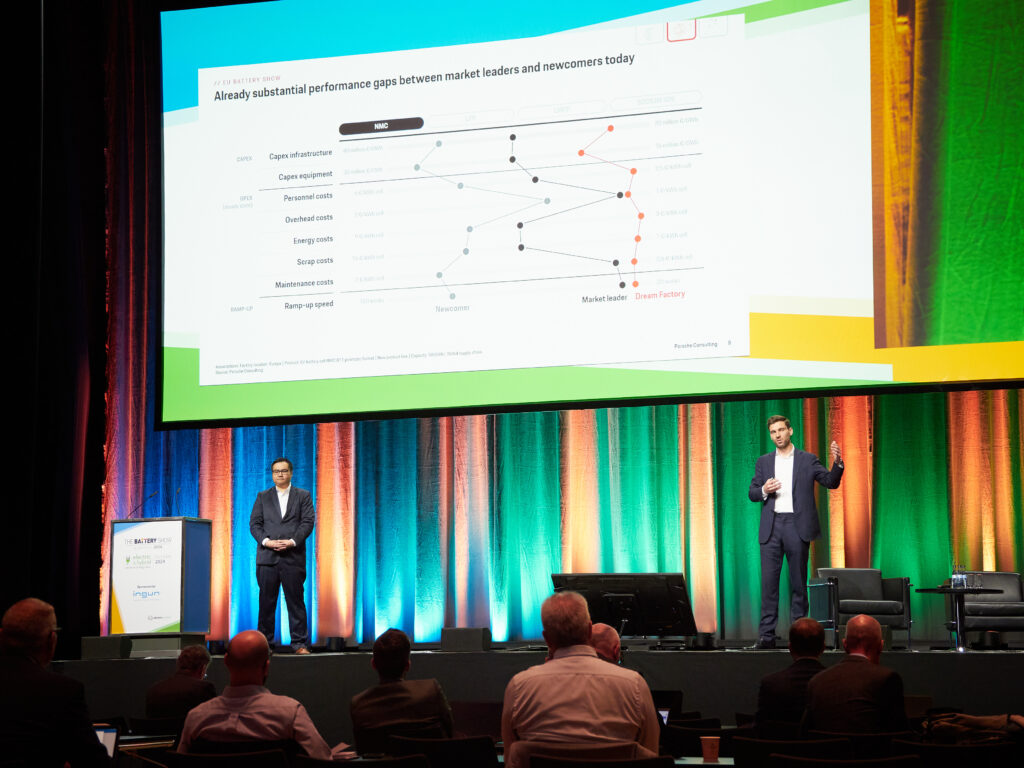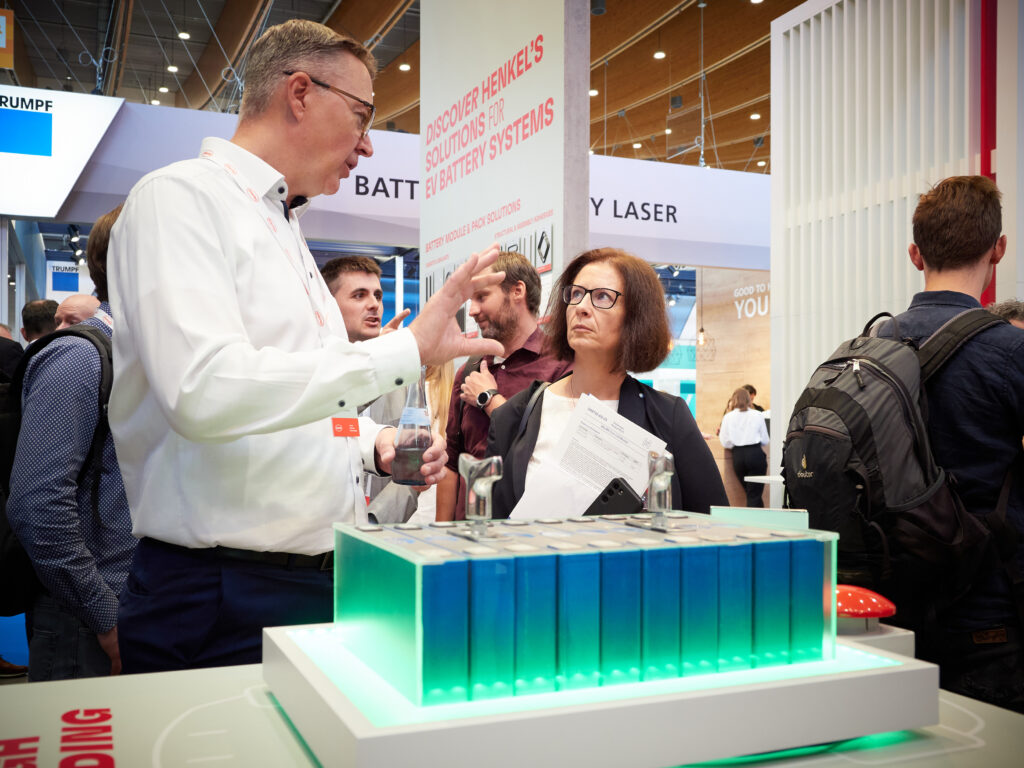
The global battery market is projected to reach a staggering $100 billion by 2025, driven largely by advancements in electric vehicles and renewable energy storage. Within this dynamic landscape, the asian battery conference stands out as a pivotal event that shapes industry trends and innovations.
Understanding the Asian Battery Conference: Market Attributes and Carbon Footprint Analysis

The Asian Battery Conference serves as an essential platform for stakeholders across the battery supply chain, from manufacturers to researchers. This conference not only highlights emerging technologies but also emphasizes sustainability practices within the industry. One of its key features is its focus on Carbon Footprint Analysis, which evaluates environmental impacts associated with battery production and usage. By integrating carbon metrics into discussions, participants are encouraged to adopt greener practices that align with global climate goals.
Industrial UPS Systems and Their Role in Carbon Footprint Analysis at the Asian Battery Conference
Within the context of industrial uninterruptible power supply (UPS) systems, their significance in Carbon Footprint Analysis cannot be overstated. These systems ensure reliable power delivery while minimizing energy waste during peak loads or outages. At the conference, experts discuss how optimizing UPS efficiency can significantly reduce greenhouse gas emissions associated with electricity consumption. Furthermore, advancements in battery technology showcased at this event highlight innovative solutions aimed at enhancing system performance while lowering overall carbon footprints.
Find more about industrial ups system.The Battery Show’s Contributions to Carbon Footprint Analysis
- Innovative Technologies: The show presents cutting-edge developments that aim to enhance energy density while reducing material waste.
- Sustainability Initiatives: Exhibitors often showcase initiatives designed to recycle materials used in batteries effectively.
- LCA Frameworks: Life Cycle Assessment frameworks discussed help quantify environmental impacts throughout a product’s lifecycle.
- User Engagement: Workshops encourage attendees to engage actively with tools for measuring their own carbon footprints related to battery use.
- Circular Economy Models: Discussions around circular economy principles promote sustainable sourcing and end-of-life management strategies for batteries.
A Concluding Reflection on the Asian Battery Conference’s Impact on Carbon Footprint Analysis
The Asian Battery Conference plays a crucial role in advancing knowledge about sustainable practices within the battery sector through comprehensive discussions surrounding Carbon Footprint Analysis. By fostering collaboration among various stakeholders and promoting innovative solutions aimed at reducing environmental impact, this conference not only addresses current challenges but also paves the way for future advancements towards a more sustainable energy ecosystem.
Click The Battery Show.