In today’s fast-paced world, domestic helpers have become an essential part of many households. They perform a variety of important tasks such as cleaning, cooking, laundry, and childcare, which allow families to manage their busy lives. As both paren ts often work full-time jobs, the assistance of domestic helpers ensures that the household runs smoothly and eff 僱傭中心 iciently. Their work, while often overlooked, is crucial in maintaining order and providing care for children and elderly family members. Despite the significant role they play, domestic helpers frequently face challenges, from poor working conditions to limited rights, which deserve greater recognition and support.
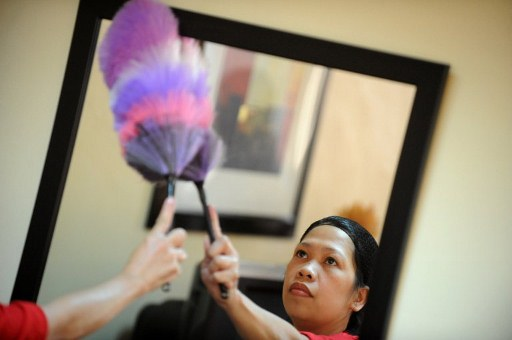
Domestic helpers are tasked with a broad range of responsibilities that are critical to the functioning of a household. They typically handle daily chores such as cleaning the house, cooking meals, and ensuring the home remains organized. For families with children or elderly members, domestic helpers also assist with caregiving duties, such as preparing meals for younger ones or helping elderly individuals with mobility and other needs. This allows parents to focus on their careers and other commitments, knowing their family members are well cared for. The support domestic helpers provide is invaluable, as it enables families to balance work and home life effectively.
While domestic helpers play a significant role in many homes, they often face difficult working conditions. Many domestic workers, especially those who migrate from lower-income countries, work long hours for low wages. These workers typically have little time off and are sometimes required to live in the same home as their employers. This can lead to a lack of privacy and a sense of isolation. Additionally, many domestic helpers are not covered by labor laws, leaving them vulnerable to exploitation, verbal abuse, and mistreatment. The lack of legal protections can make it difficult for domestic workers to seek help or improve their working conditions, which is a major concern in many parts of the world.
Despite these challenges, there are instances where domestic helpers form close, trusting relationships with their employers. In some households, domestic helpers are treated as valued members of the family, and mutual respect exists between the workers and their employers. These positive relationships can create a supportive environment where both the employer and domestic helper benefit. For example, children may develop strong emotional bonds with their caregivers, and domestic helpers often become deeply integrated into the daily lives of the families they work for. However, such positive experiences are not universal, and too many workers continue to face mistreatment and abuse, underscoring the need for better protections and rights for domestic helpers.
The growing awareness of the challenges faced by domestic helpers has led to increasing calls for legal reforms. Organizations such as the International Labour Organization (ILO) advocate for better protections for domestic workers, including minimum wage standards, regulated working hours, and access to healthcare. Some countries have already made strides in improving the conditions of domestic helpers by passing laws that ensure fair treatment and address issues such as wage theft and excessive working hours. However, the implementation of these laws remains inconsistent, and more needs to be done to ensure the rights of domestic helpers are upheld globally. Governments, employers, and society at large must work together to create a fairer and more just environment for these essential workers.
In conclusion, domestic helpers are an integral part of modern households, providing crucial support that allows families to thrive. Despite their invaluable contributions, they face significant challenges related to low pay, poor working conditions, and lack of legal protections. It is essential that society acknowledges the importance of domestic helpers and advocates for stronger labor laws and better working environments for these workers. Only by ensuring fair treatment and respect can we truly honor the contributions of domestic helpers and help create a more equitable and just society for all workers.