The Reality of RTK Base Stations: Benefits vs. Common Misconceptions
Imagine standing in a field, smartphone in hand, anxiously waiting for your signal to stabilize. It’s 2023, and yet, we often find ourselves battling connectivity issues. Did you know that an estimated 30% of agricultural professionals face delays due to unreliable RTK base station performances? That’s right, the very technology designed to enhance productivity, like the gps base station, sometimes doesn’t deliver on its promises. So, what gives?
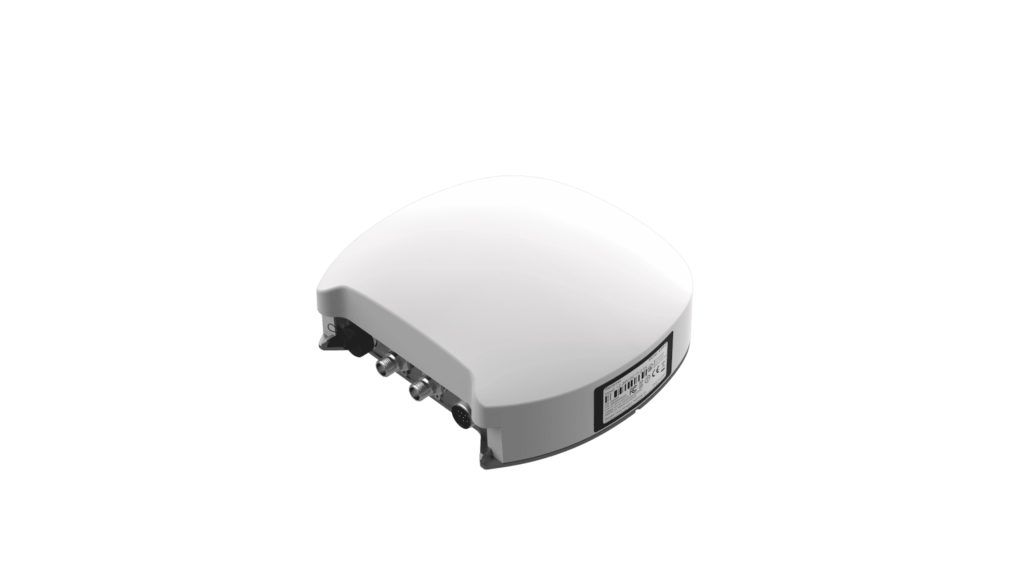
When we delve into the flaws of traditional solutions, it’s apparent that many RTK systems operate on outdated algorithms. Sure, they may look sleek, but the reality is that many of these solutions lack robust error correction that is critical in ensuring accurate positioning in the field. I remember the frustration of waiting for a fix during a critical planting season—it was almost comical, really. It’s a classic case of technology that seeks to offer precision but stumbles on execution.
Rethinking the Limitations of Current Systems
As we ponder the potential of these GPS-enabled marvels, it’s crucial to step back and assess what we truly need. The market offers many options, but not all gps base stations are equal. Are you looking for reliability, coverage, or simple user experience? It’s easy to assume that picking a flashy brand will yield a reliable service, but that’s often not the case. My advice? Look beyond the surface—brands often market their specs in ways that might obscure their actual performance in diverse environments.
What’s at stake here? Just your time, resources, and ultimately, your profits. I often hear complaints about systems that have failed at peak planting or harvesting times. You might recall a few seasons back when an unexpected storm turned into a calamity for farms without dependable RTK indicators. One farmer I know lost a significant portion of his crop due to poor guidance—lesson learned the hard way.
What’s Next for Precision Agriculture?
Looking ahead, we’re standing on the brink of a technological evolution in agriculture. Advanced RTK base stations are not just refining the process, but they’re introducing smarter connectivity, multi-frequency signals, and enhanced coverage. Picture a world where your operations run seamlessly because your technology is, well—up to par. The market is seeing innovations like never before, meaning it’s time to reevaluate what we understand about GPS connectivity. How can we drive towards a more efficient future?
Integrating these new systems can save hours of frustrations and potentially significantly increase yields. When we use a more accurate gps base station, we can better utilize our resources and avoid the pitfalls of past systems. As a longtime observer in this field, I genuinely believe that investing in the right technology today will pay dividends tomorrow—let’s not hold onto outdated practices that fail to adapt.
Final Thoughts: Lessons Learned From the Field
In summary, while the allure of RTK base stations remains strong, digging deeper exposes a web of complexities that often go overlooked. I have witnessed many friends and colleagues grapple with the limitations of traditional systems, and I’d argue that the key takeaway here is to choose wisely. Seek out providers who demonstrate real performance metrics, not just flashy marketing. Are you ready to ditch outdated solutions for something that truly elevates your farming game?

Moving forward, remember that embracing new technology requires a critical eye—not just for the specs, but for the real-world impact it can have. As we navigate this path together, I encourage you to explore how innovations from brands like EFIX can simplify your operation while maximizing your returns.