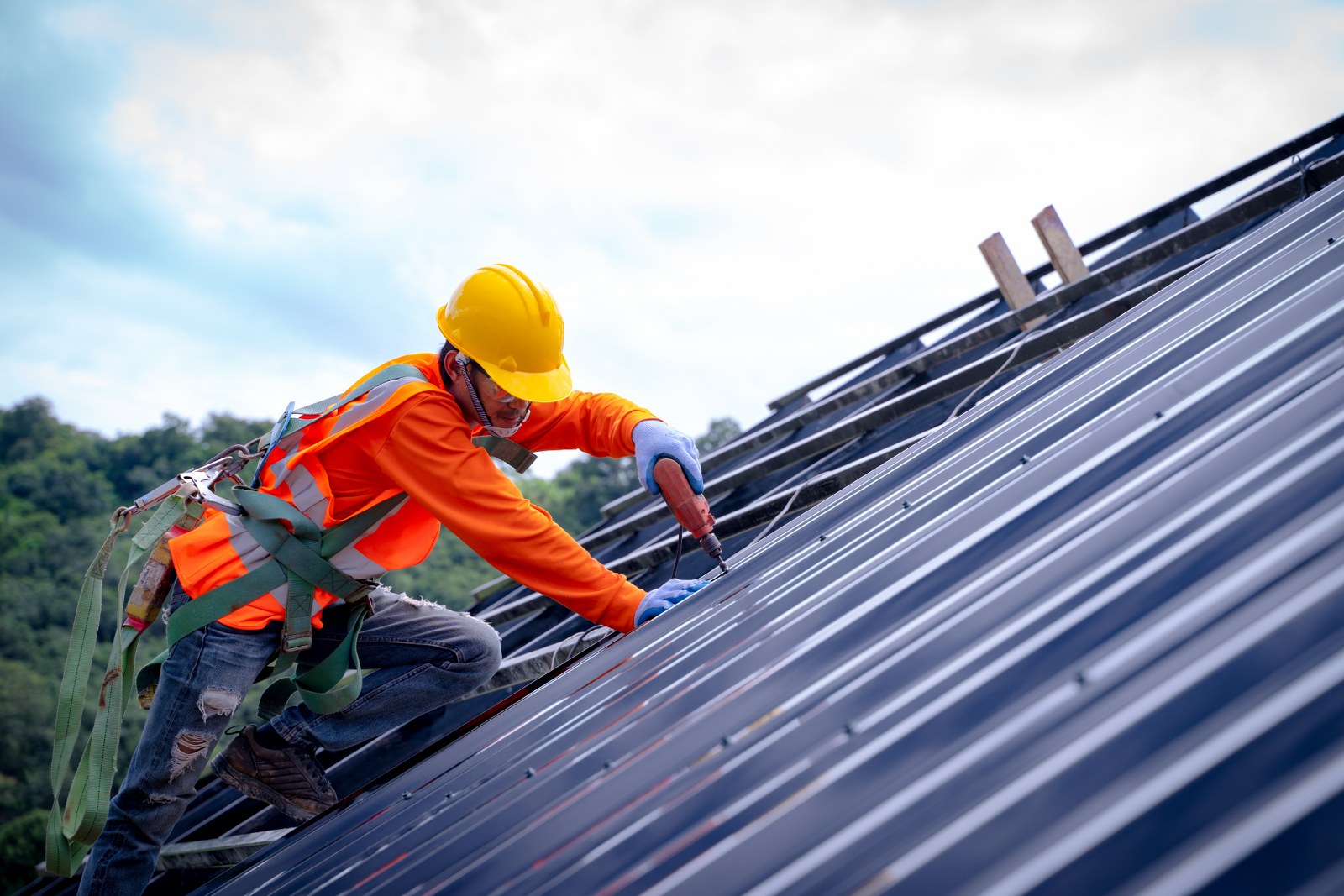
Your roof is one of the most important components of your home, providing protection, insulation, and curb appeal. But when it starts showing signs of damage o Roofing companyr aging, homeowners often face a difficult decision: should you repair the damage or replace the entire roof? The answer depends on several factors, including the extent of the damage, the age of your roof, and your long-term plans for the property. In this article, we’ll break down the key considerations to help you decide whether a roof repair or a full replacement is the best option for your home.
1. Understanding the Scope of Damage
The first step in deciding between repair and replacement is assessing the extent of the damage. Minor issues such as a few missing shingles, a small leak, or slight flashing damage can often be fixed quickly and affordably with a repair. However, if the damage is widespread—like multiple leaks, extensive water damage, or large sections of missing shingles—it may be more cost-effective to replace the entire roof. A professional inspection can help you determine how severe the damage is and whether a patch-up job will hold up or simply delay the inevitable.
2. Considering the Age of Your Roof
Age plays a major role in the repair vs. replace decision. Most asphalt shingle roofs last between 20 to 30 years, while materials like metal, tile, or slate can last significantly longer. If your roof is nearing the end of its expected lifespan, it might make more sense to invest in a full replacement rather than continuously paying for repairs. On the other hand, if your roof is relatively new and has only suffered minor damage—perhaps from a storm or fallen debris—a repair is likely the more economical and practical choice.
3. Cost Comparison: Short-Term vs. Long-Term
While repairing your roof is generally less expensive in the short term, it may not always be the most cost-effective choice in the long run. Constantly patching up an aging or severely damaged roof can add up quickly and may not provide lasting results. In contrast, replacing your roof comes with a higher upfront cost but offers long-term benefits like improved energy efficiency, better durability, and peace of mind. You’ll also likely avoid recurring repair costs for years to come. Weighing the immediate cost savings of a repair against the long-term value of a replacement is key to making a financially smart decision.
4. Energy Efficiency and Modern Upgrades
Older roofs are often less energy-efficient, which can lead to higher heating and cooling costs throughout the year. If you’re already considering a replacement, this could be a great opportunity to upgrade to energy-efficient materials or add better insulation. Newer roofing technologies offer improved ventilation, UV resistance, and reflective coatings that can help reduce your utility bills. While a repair might stop a leak or fix broken shingles, it won’t do much to enhance your home’s overall efficiency or performance.
5. Impact on Property Value and Curb Appeal
A new roof can dramatically improve your home’s curb appeal and boost its market value. If you plan to sell your home in the near future, a roof replacement can be a strong selling point, giving buyers confidence that they won’t have to worry about major roofing expenses anytime soon. On the flip side, a roof with patchwork repairs or visible wear can turn off potential buyers and reduce your home’s value. If your goal is to enhance the appearance and resale value of your home, investing in a replacement may be the better move.
6. When to Consult a Roofing Professional
Ultimately, the best way to determine whether you need a roof repair or replacement is to consult with a licensed roofing professional. They can perform a thorough inspection, assess the condition of your roof, and offer guidance based on your budget, goals, and the specifics of your home. A trusted contractor will give you honest advice—not just try to sell you a new roof—and help you weigh the pros and cons of each option. Having expert insight ensures you make a decision that’s both practical and cost-effective.
Conclusion
Deciding between roof repair and replacement isn’t always straightforward, but taking the time to evaluate your roof’s condition, age, and future performance can help you make the right choice. Minor issues and newer roofs may benefit from a simple repair, while older or heavily damaged roofs often require full replacement. With the help of a professional roofer, you can choose the solution that provides the most value and protection for your home. Whether you repair or replace, acting early can prevent more costly problems down the road.