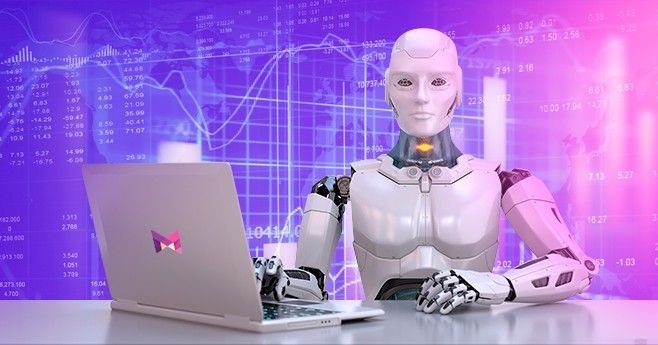
In the fast-paced world of foreign exchange (Forex) trading, the advent of technology has ushered in a new era of efficiency and opportunity. Among the most significant innovations are Forex robots, often touted as game-changers in the trading forex robot landscape. But what exactly are Forex robots, and how do they function? In this comprehensive guide, we delve into the intricacies of Forex robots, demystifying their role, capabilities, and potential impact on trading strategies.
Understanding Forex Robots
Forex robots, also known as Expert Advisors (EAs), are software programs designed to automate trading activities in the forex market. These algorithms are based on predefined criteria and trading rules, allowing them to execute trades on behalf of traders without human intervention. Forex robots are typically integrated into trading platforms, where they analyze market data, identify trading opportunities, and execute trades in real-time.
How Forex Robots Work
Forex robots operate based on a set of predefined parameters programmed by traders or developers. These parameters encompass various technical indicators, trading signals, risk management strategies, and trading preferences. Upon activation, the robot continuously monitors the market, scanning for favorable trading conditions according to the specified criteria.
When the robot identifies a potential trade setup that meets the predefined conditions, it automatically executes the trade according to the established parameters. This process occurs swiftly and efficiently, eliminating human emotions and biases that often influence trading decisions. Additionally, Forex robots can operate 24/7, allowing traders to capitalize on opportunities across different time zones.
Benefits of Forex Robots
Emotion-Free Trading: One of the primary advantages of Forex robots is their ability to execute trades without being influenced by emotions such as fear or greed. This eliminates impulsive decisions and ensures a disciplined approach to trading.
Speed and Efficiency: Forex robots can analyze vast amounts of market data and execute trades within milliseconds, far surpassing the capabilities of human traders. This speed and efficiency enable timely responses to market fluctuations and rapid execution of trading strategies.
24/7 Market Monitoring: Unlike human traders who require rest, Forex robots can operate continuously, monitoring the market round the clock. This enables traders to capitalize on trading opportunities even during non-traditional hours or when they are unavailable.
Backtesting and Optimization: Forex robots allow traders to backtest their trading strategies using historical data, enabling them to assess the viability and profitability of their approach. Additionally, traders can optimize their robots by refining parameters to enhance performance and adapt to changing market conditions.
Diversification and Risk Management: By automating trading activities, Forex robots facilitate diversification across multiple currency pairs and trading strategies. Furthermore, they enable precise risk management by adhering to predefined stop-loss and take-profit levels, helping to minimize potential losses.
Challenges and Considerations
While Forex robots offer numerous benefits, it’s essential to acknowledge the challenges and considerations associated with their usage:
Strategy Development: Designing an effective trading strategy and programming it into a Forex robot requires expertise in both trading and coding. Traders must thoroughly test and refine their strategies to ensure optimal performance in live trading conditions.
Market Volatility and Risk: Despite their efficiency, Forex robots are not immune to market volatility and unforeseen events. Traders must exercise caution and implement robust risk management measures to mitigate potential losses.
Dependency on Technology: Relying solely on Forex robots entails a degree of dependency on technology and may expose traders to risks such as system failures, connectivity issues, or programming errors. It’s crucial to have contingency plans in place to address such situations.
Adaptability to Changing Market Conditions: Markets are dynamic and subject to constant evolution. Traders must regularly monitor and adjust their Forex robots to adapt to changing market conditions and ensure continued profitability.
In conclusion, Forex robots represent a significant advancement in trading technology, offering traders the potential for enhanced efficiency, precision, and profitability. By automating trading activities and eliminating emotional biases, these algorithms provide a systematic approach to navigating the complexities of the forex market. However, success with Forex robots requires a comprehensive understanding of their functionality, diligent strategy development, and ongoing monitoring and optimization. By demystifying Forex robots and embracing their capabilities, traders can unlock new opportunities and achieve their trading objectives with confidence.