Introduction — A Dark Question, A Cold Data Point
Have you ever stood in a dim room wondering if a warm red glow will fix what aches? I ask because the house is quiet and the market is loud; infrared beds have crawled from clinics into living rooms, and sales have roughly doubled in recent years (you can feel that momentum). I’ve watched friends and clients bring home glowing panels and hope; some report relief, others report confusion. Medical-grade terms like photobiomodulation and wavelength get tossed around like charms, yet the results are far from consistent.
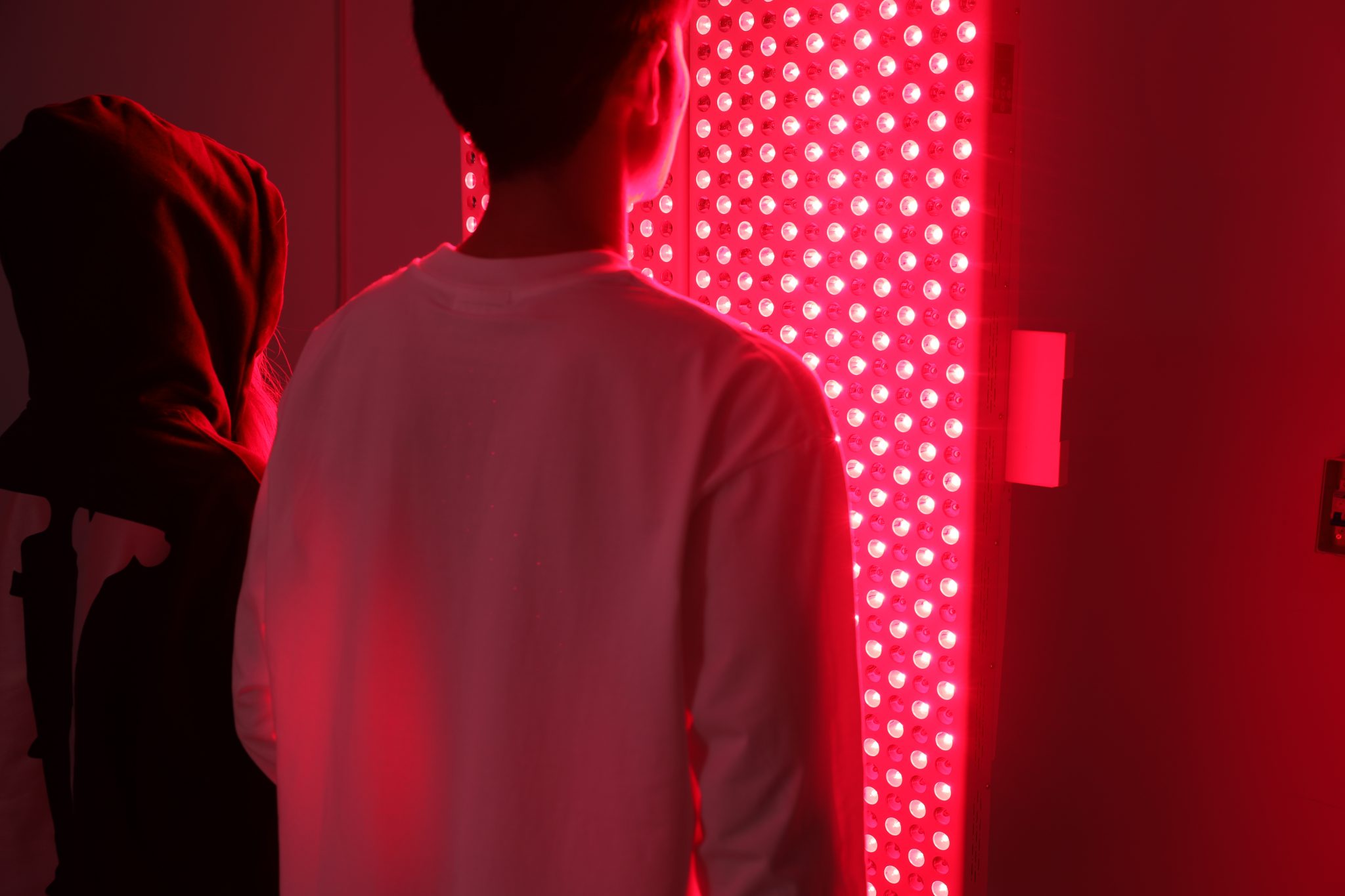
The scene feels Gothic sometimes — shadowed, a little promising, and oddly eerie — but the question that matters is plain: which home system actually works for real people, not just lab data? I’ll be blunt: the answer hides in details like irradiance, LED arrays, and thermal management. We’ll peel those layers back. Now, follow me — we go deeper.
Part 2 — Why Most Home Red Light Beds Fall Short
red light therapy bed for home use promises clinic-style healing, but often the promise is more glamour than substance. I see two big problems again and again: inconsistent irradiance across the panel and poor system engineering. Manufacturers cut costs with cheap LED arrays that vary in wavelength and output. So one side of the bed might bathe your skin in 660 nm light while another side is weaker — that variability wrecks dosage. Look, it’s simpler than you think: spotty output means spotty results.
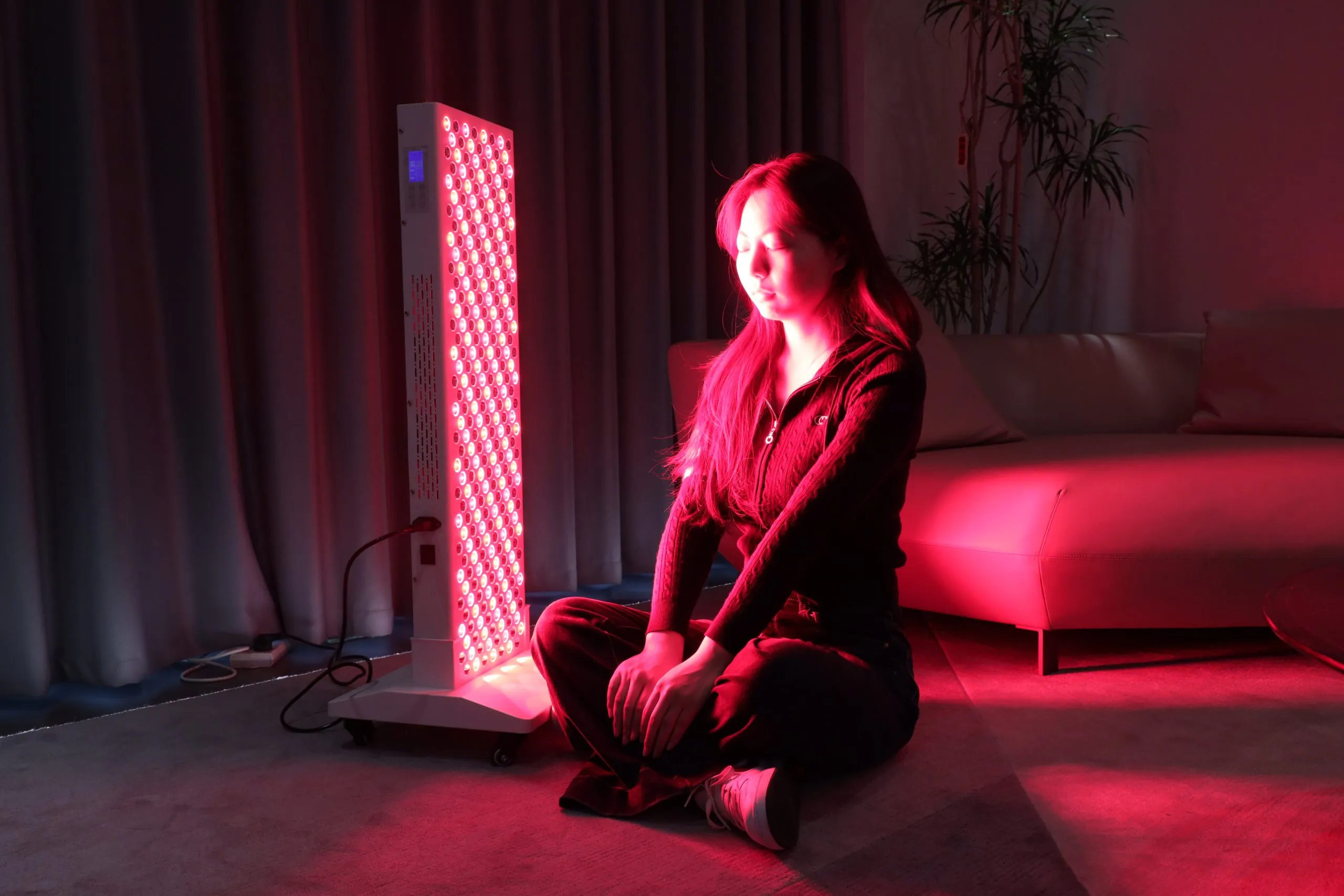
Then there’s heat and power. Bad thermal management shortens diode life and shifts the light spectrum. Power converters that aren’t matched to the LEDs cause flicker or lower irradiance. Add in weak EMF shielding, and some users feel uncomfortable — that’s a real pain point, emotionally and physically. I’ve tested units where the meter showed low irradiance despite bright-looking panels. The clinical term here is “delivered dose”; you can’t fake that. So yes, the tech words matter: irradiance, wavelength, photobiomodulation, thermal management — they point to why many home setups disappoint.
What’s the core user pain?
Users want predictable relief, not flashes of hope. They want clear specs, not marketing heat. I know this because I hear it from people who tried one model, then another — funny how that works, right? They crave consistent dosing and honest data, plain and simple.
Part 3 — New Technology Principles and a Practical Outlook
Looking forward, I want to focus on the engineering principles that will lift home devices from gimmick to tool. A good red light therapy bed for home use should start with matched LED arrays: tightly controlled wavelength bins (e.g., 630–670 nm and 810–850 nm) and predictable irradiance across the panel. That’s the baseline. Next comes active thermal management — not just passive vents, but heat sinks and controlled fans so the spectrum stays stable over long sessions. Finally, precise power converters and feedback sensors that monitor output in real time make a huge difference. Together, these elements deliver repeatable photobiomodulation doses rather than lucky guesses.
Practically, that means manufacturers need to publish real metrics: peak irradiance (mW/cm²), beam uniformity, and spectral charts. We should also expect firmware that adjusts output if temperature drifts. I believe the market is moving this way because users demand it; I’ve seen more companies adopt these standards in the past two years. For anyone choosing a unit, pay attention to specs — and test them if you can. — small checks pay off.
Three Metrics I Use When I Buy or Recommend
1) Irradiance at distance (mW/cm²) — measures delivered power. 2) Wavelength stability — ensures correct photobiomodulation bands. 3) Thermal control and power converter quality — for longevity and consistent output. If a product publishes these clearly, it starts on the right foot. If not, I’m skeptical.
In the end, I want devices that respect the science and the person using them. We’ve moved past shiny panels; the next step is honest engineering and clear data. If you’re shopping, look for those signs — and if you want a place to start, check offerings from Magique Power. I’ll keep testing and sharing what I learn, because real relief should be practical, repeatable, and finally — human.