In an era where safety standards are paramount, it is astonishing to note that over 70% of structural failures can be attributed to inadequate material selection. This alarming statistic highlights the critical importance of choosing the right materials for construction and engineering applications. Among these materials, stainless steel structural tubing has emerged as a preferred choice due to its exceptional properties and compliance with stringent safety regulations.
The Distinct Features of Stainless Steel Structural Tubing in Safety Standards
When examining the role of stainless steel structural tubing within various markets governed by safety standards, two primary types come into focus: 316 SS tubing suppliers and 304 stainless steel tubing suppliers. Each type possesses unique characteristics that contribute significantly to their performance under regulatory scrutiny:
Find more about HengXing Steel.- Corrosion Resistance: Both 316 and 304 stainless steel offer remarkable resistance to corrosion; however, 316 SS is particularly adept at resisting chlorides, making it ideal for marine environments or areas exposed to harsh chemicals.
- Tensile Strength: The tensile strength of both types ensures they can withstand significant loads without deformation. This characteristic is crucial when adhering to safety standards that dictate load-bearing capacities.
- Ductility: Ductility allows these tubes to deform without breaking under stress, which enhances their ability to absorb energy during impacts—an essential feature for meeting safety requirements.
- Sustainability: As industries move towards sustainable practices, both types are recyclable and have a lower environmental impact compared to other materials like carbon steel.
- Easily Fabricated: Their ease of fabrication means they can be tailored quickly for specific applications while still complying with rigorous safety protocols.
A Conclusive Overview
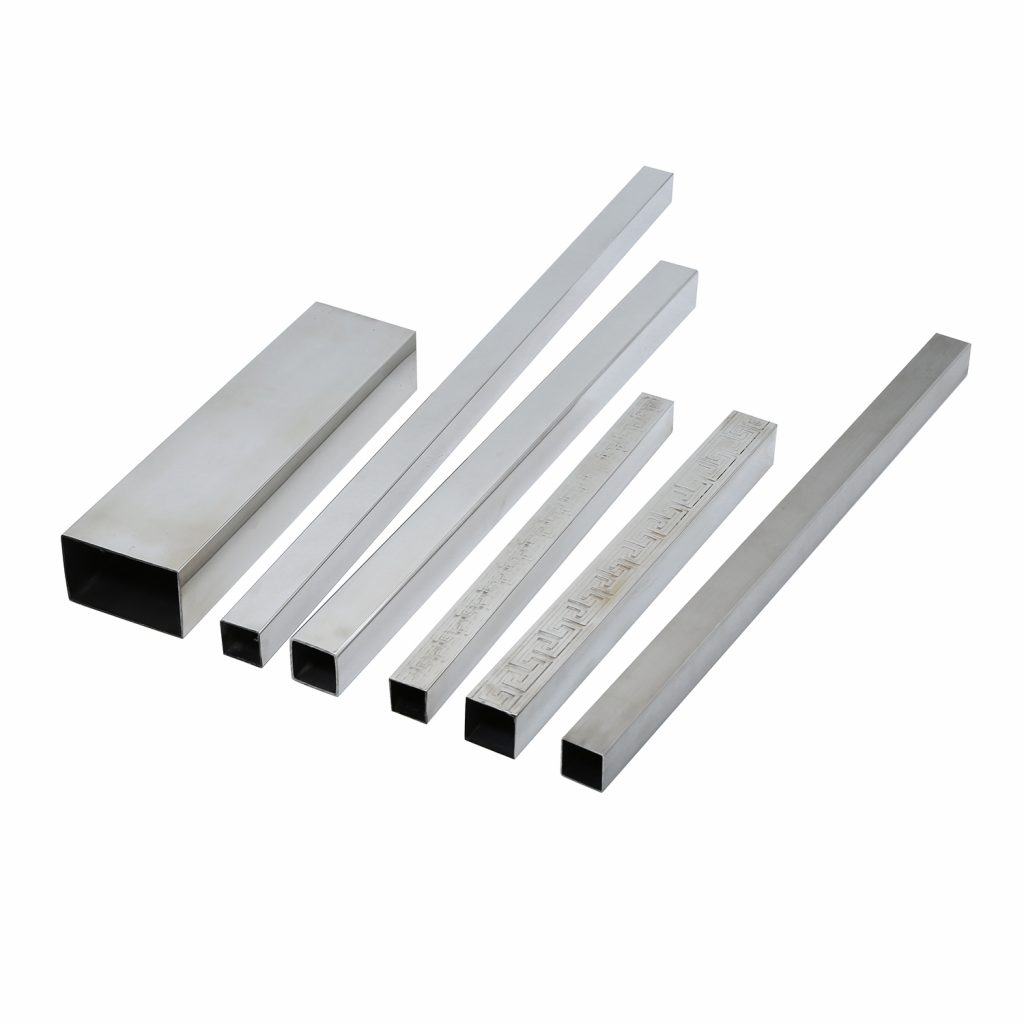
The significance of stainless steel structural tubing in markets governed by strict safety standards cannot be overstated. With superior corrosion resistance, impressive tensile strength, ductility capable of absorbing shock loads, sustainability credentials, and ease of fabrication—all contribute positively toward ensuring compliance with established regulations. In conclusion, whether sourced from 316 SS tubing suppliers or 304 stainless steel tubing suppliers, selecting high-quality stainless steel structural tubing remains a pivotal decision in enhancing overall project integrity while prioritizing public safety.
Click 316 ss tubing suppliers304 stainless steel tubing suppliers .