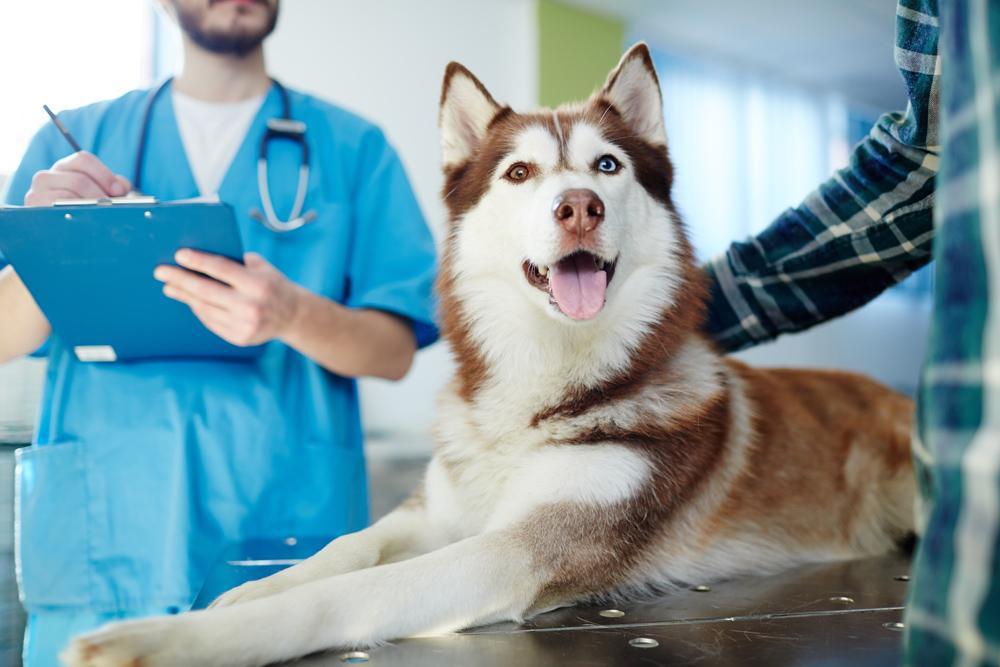
As a dog owner, being aware of common canine ailments and their early signs is crucial for maintaining your pet’s health. Just like humans, dogs can suffer from a variety of health issues that, if caught early, can be effectively managed or dog health treated. Understanding these conditions and implementing preventative care can ensure your furry friend lives a long, healthy life. This article highlights some common canine ailments, their early signs, and tips for prevention.
- Allergies: Identifying and Managing Symptoms
Allergies are a prevalent issue among dogs and can manifest in various forms, including food allergies, environmental allergies (like pollen or dust mites), and flea allergies. Early signs of allergies may include persistent itching, redness or inflammation of the skin, ear infections, or gastrointestinal upset. If you notice your dog scratching excessively or exhibiting signs of discomfort, it’s important to consult your veterinarian for an accurate diagnosis. Preventative measures include regular grooming, using hypoallergenic foods, and minimizing exposure to allergens in your dog’s environment. Keeping your dog on a flea prevention program can also significantly reduce the risk of flea allergies. - Obesity: Recognizing the Risks
Obesity is a growing concern in dogs and can lead to serious health issues such as diabetes, joint problems, and heart disease. Signs of obesity include difficulty in movement, excessive panting, and a noticeable lack of energy. To prevent obesity, monitor your dog’s weight regularly and maintain a healthy diet tailored to their age and activity level. Providing regular exercise through walks, playtime, and mental stimulation is essential. If you suspect your dog may be overweight, consult your veterinarian for a tailored weight management plan that may include dietary adjustments and increased physical activity. - Dental Disease: Spotting the Signs Early
Dental disease is another common ailment that can affect your dog’s overall health. Early signs include bad breath, difficulty eating, swollen gums, and excessive drooling. If left untreated, dental disease can lead to pain, tooth loss, and systemic infections affecting the heart and kidneys. Preventative care includes regular dental check-ups, daily brushing of your dog’s teeth, and providing dental chews that promote oral health. Starting dental care early in your dog’s life can significantly reduce the risk of dental disease and improve their quality of life. - Ear Infections: Recognizing the Symptoms
Ear infections are common, particularly in breeds with floppy ears or those prone to allergies. Symptoms of an ear infection may include shaking of the head, scratching at the ears, foul odor, and discharge. If you notice any of these signs, prompt veterinary care is crucial, as untreated ear infections can lead to more severe complications. Preventative measures include regular ear cleaning, keeping ears dry after baths or swimming, and monitoring for signs of allergies that can contribute to ear issues. Regular check-ups can help catch ear infections early before they escalate. - Joint Issues: Early Detection and Management
Joint problems, such as hip dysplasia and arthritis, are common in older dogs and certain breeds. Early signs may include limping, reluctance to jump or climb stairs, and decreased activity levels. If you notice your dog showing any of these signs, consult your veterinarian for an evaluation. While some joint issues are hereditary, maintaining a healthy weight, providing regular exercise, and using joint supplements can help manage and prevent these conditions. Early detection and intervention can greatly improve your dog’s quality of life and mobility.
In conclusion, being proactive about your dog’s health can significantly impact their well-being and longevity. By recognizing the early signs of common canine ailments and implementing preventative care measures, you can help your furry friend lead a healthier, happier life. Regular veterinary check-ups, a balanced diet, appropriate exercise, and proper grooming are all essential components of canine health care. Remember, when it comes to your dog’s health, early detection and intervention are key!